The Atari 5200 SuperSystem went on sale in October 1982 and was declared dead on May 21, 1984, less than two years later. In between it was sold at $299.95 and then $199, built in two different shapes, given an adapter so that it could play the games of the console it was supposed to replace, and saddled with a controller that people still argue about. Inside the big wedge-shaped case was an Atari 400 home computer with the keyboard removed. This is the story of how that happened, and all the games linked below can be played in your browser on this site.
A computer in a console’s clothes
Atari started thinking about a successor to the 2600 soon after that console shipped in 1977, but when Ray Kassar took over the company in 1978 the engineers’ attention moved to home computers, and the Atari 400 and 800 came out in 1979. One proposal from the consumer division was a three-console range, with a modified Atari 400 at the top and a machine called the 3200 in the middle; the 3200 was dropped after technical problems. In 1981 Atari’s Advanced Technology Group picked the work up again under the name PAM, for Personal Arcade Machine. The early prototypes were labelled “Atari Video System X – Advanced Video Computer System”, and that name still appears on collectors’ pieces.
What they built was a 400 in a new box. The same 6502 processor, the same ANTIC, GTIA and POKEY chips and the same 16 KB of memory went in; the keyboard, the serial port and most of the operating system came out. David Ahl of Creative Computing called it “a 400 computer in disguise” in his 1983 review, and noted that Atari had changed the shape of the cartridges so that computer games would not plug in. Michael Moone, who ran Atari’s consumer division, explained the two product lines as a car maker offering different models for different tastes. How the two machines differ, and why their cartridges were never compatible, is a story of its own, and it gets its own article in this series.
1982: from “Supergame” to 5200
Atari showed the machine at the Winter Consumer Electronics Show in January 1982 as the “Supergame”, gave it the 5200 name at the Summer CES in June and promised it for October. It also went by two longer names on boxes and in adverts, the Atari 5200 Advanced Video Entertainment System and the Atari 5200 SuperSystem. The console reached a few large department stores in October 1982 at $299.95, but it was only available across the United States in January 1983. It never went on sale outside North America: a European launch planned for 1983 was cancelled that July because American sales were weaker than hoped.
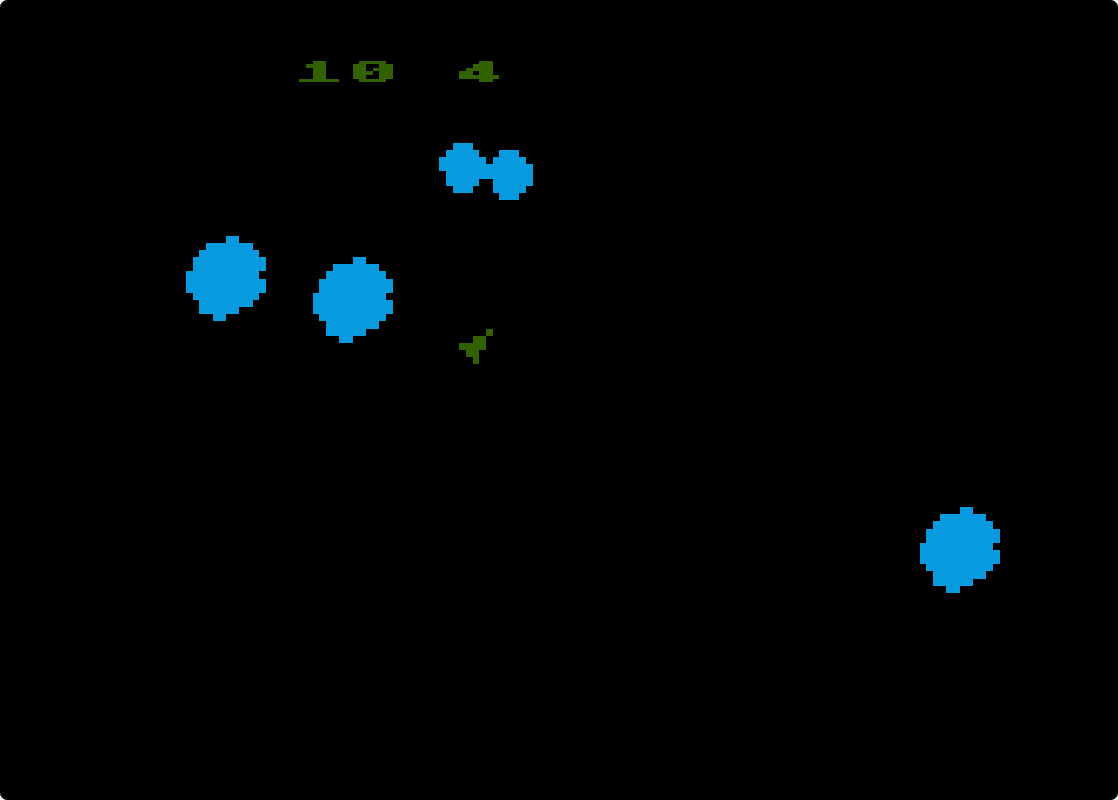
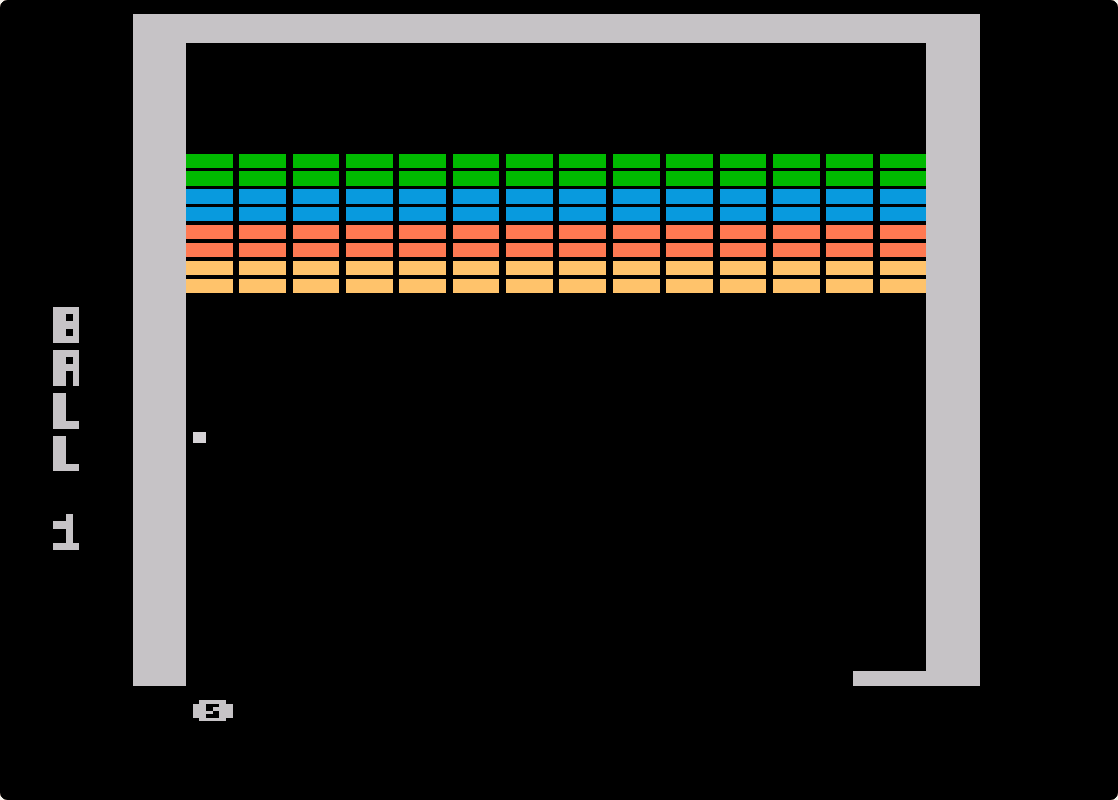
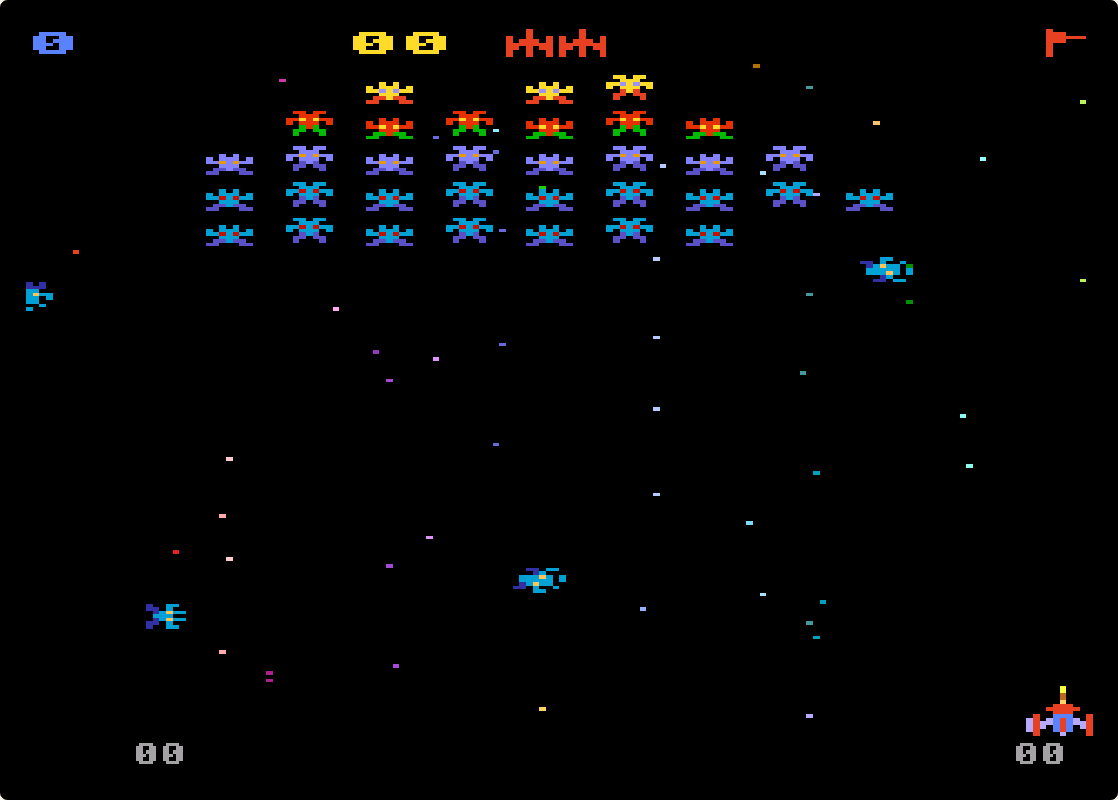
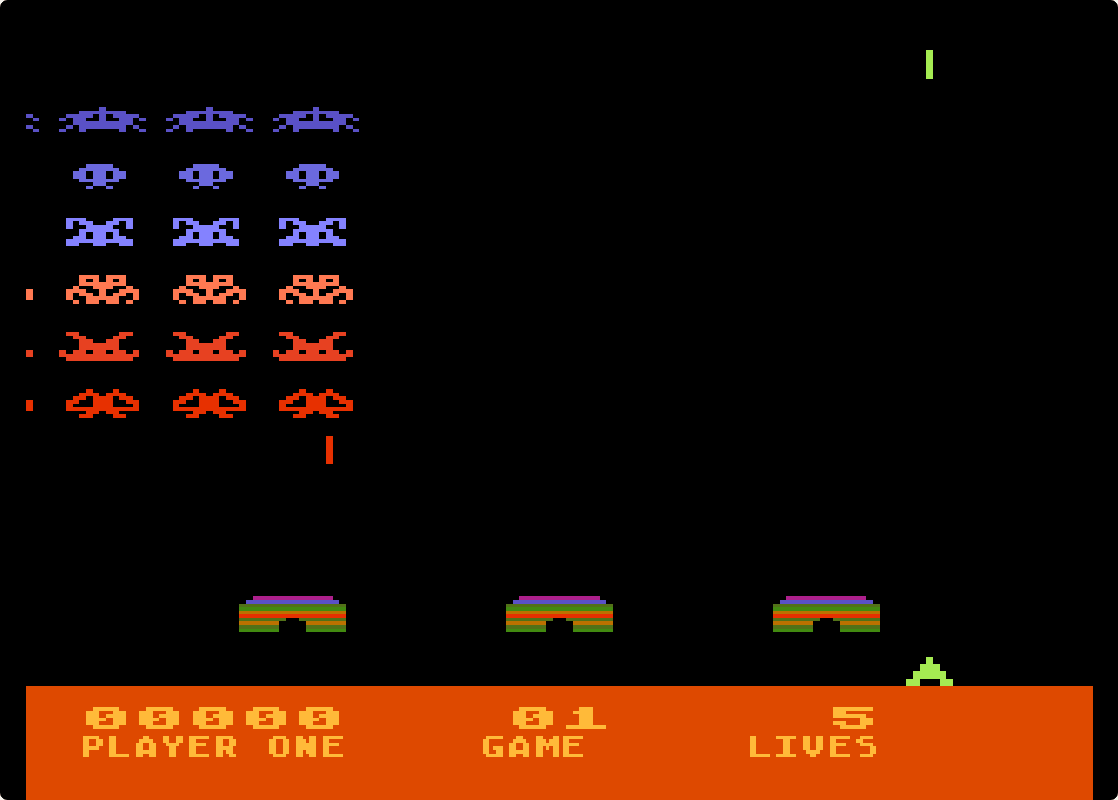
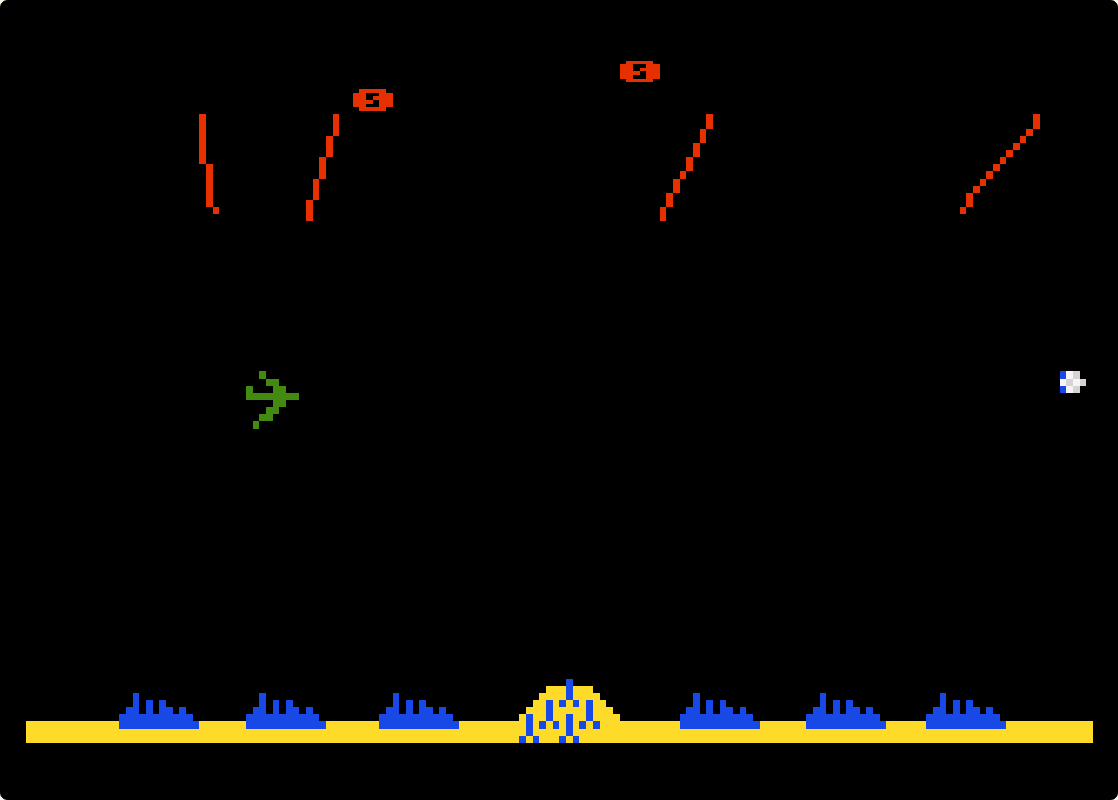
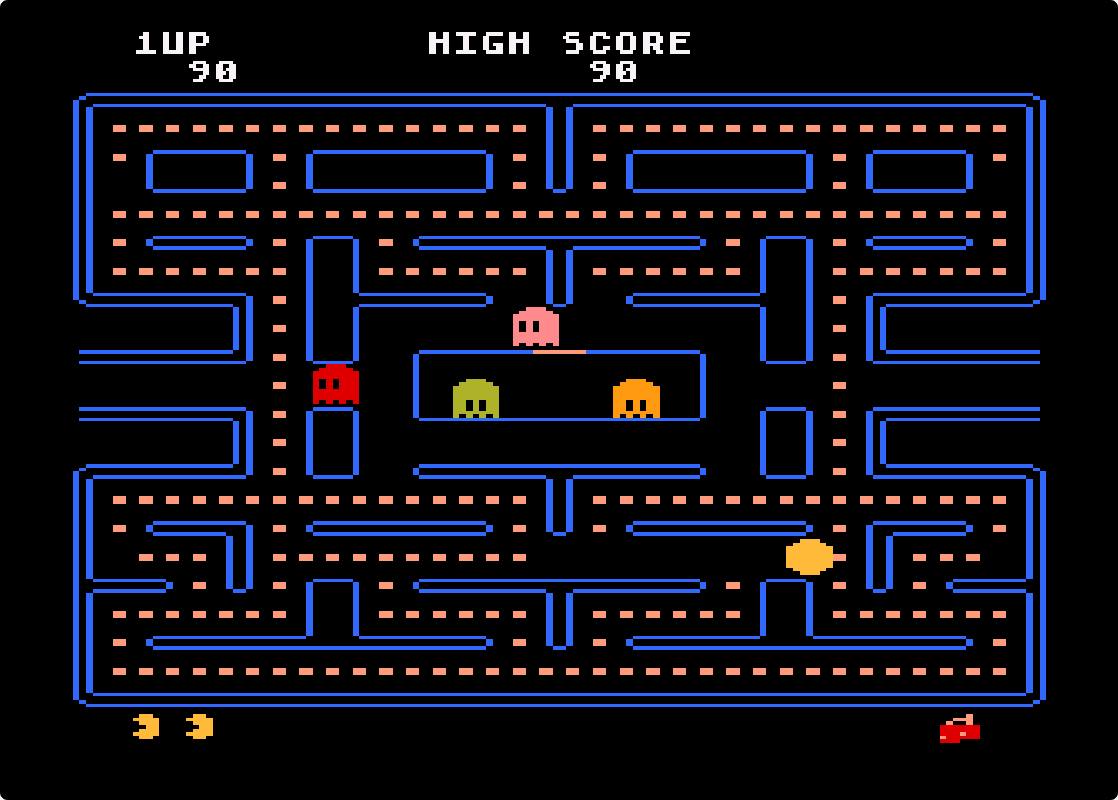
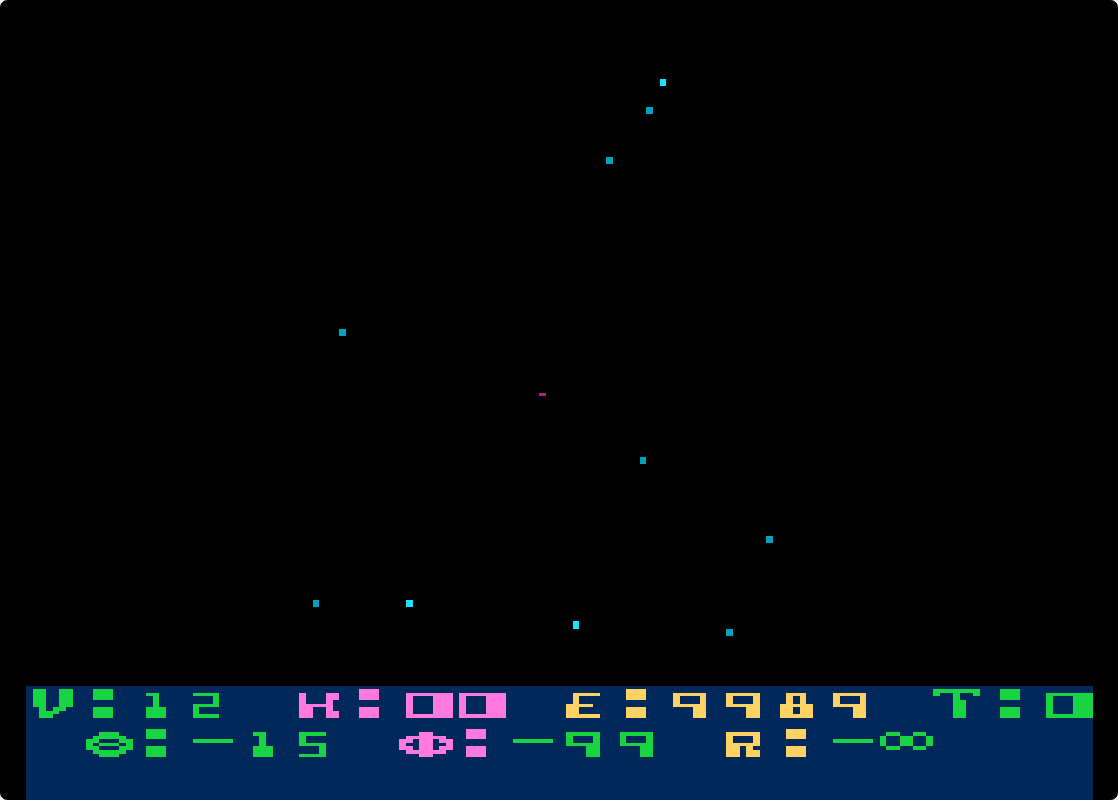
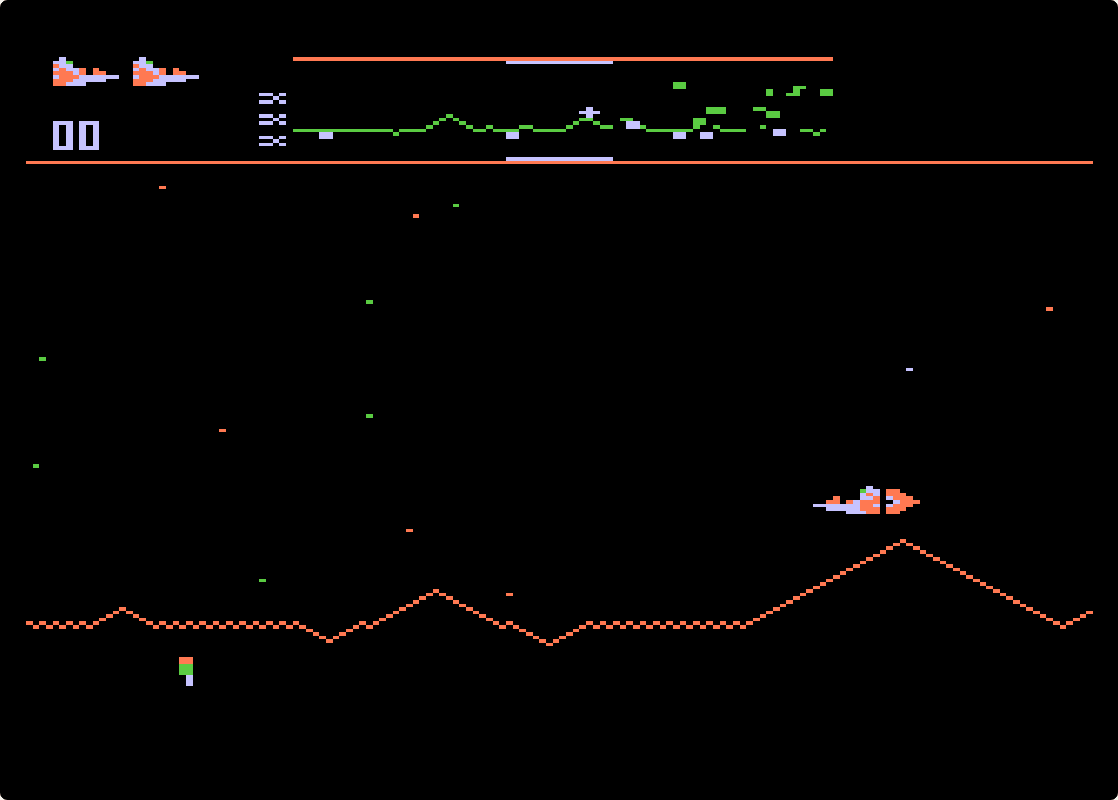
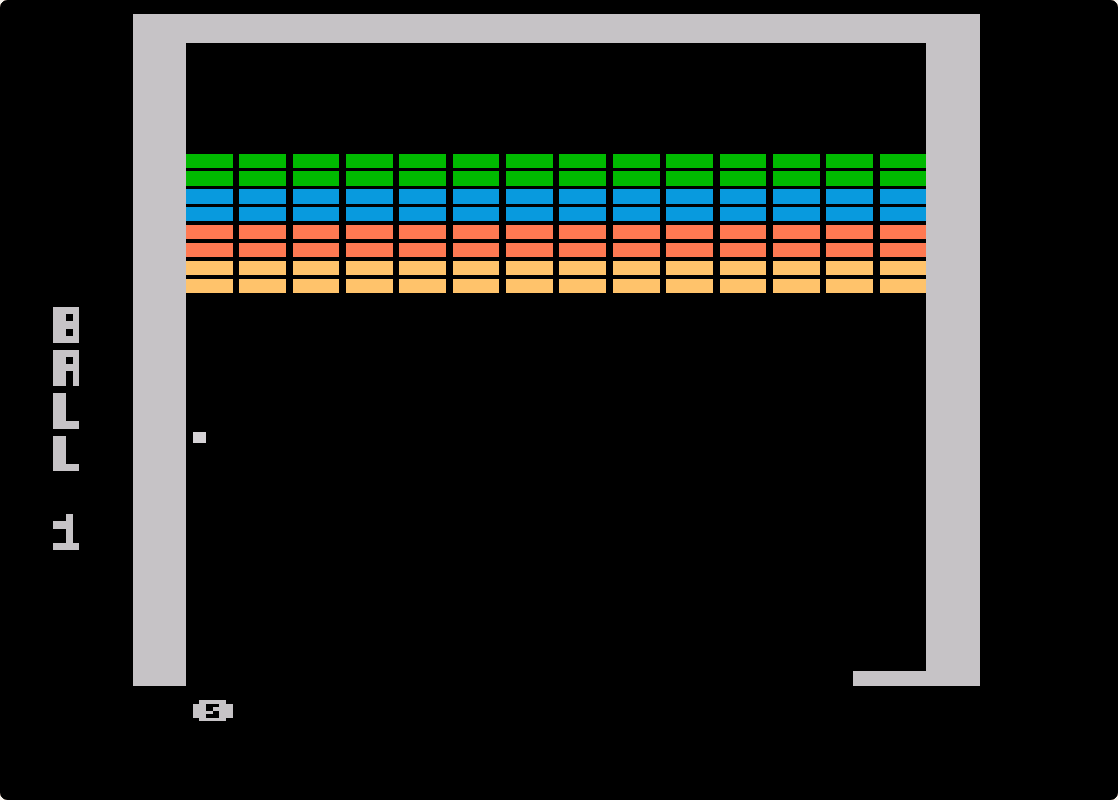
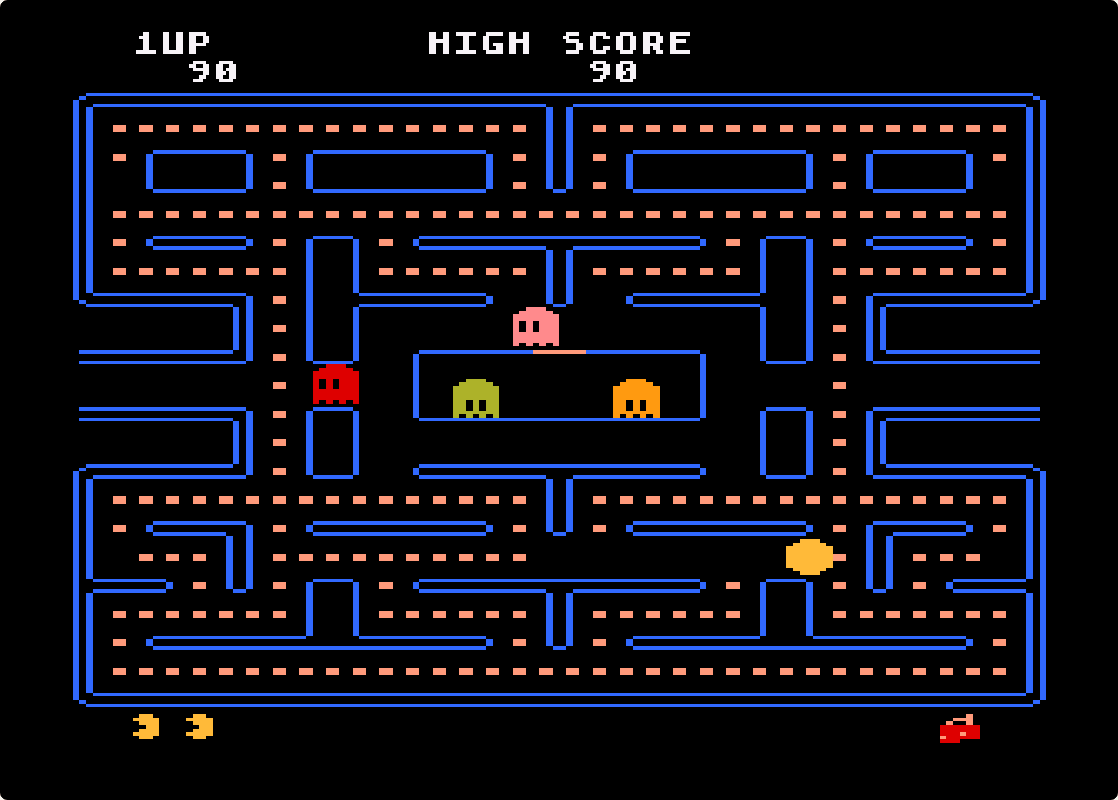
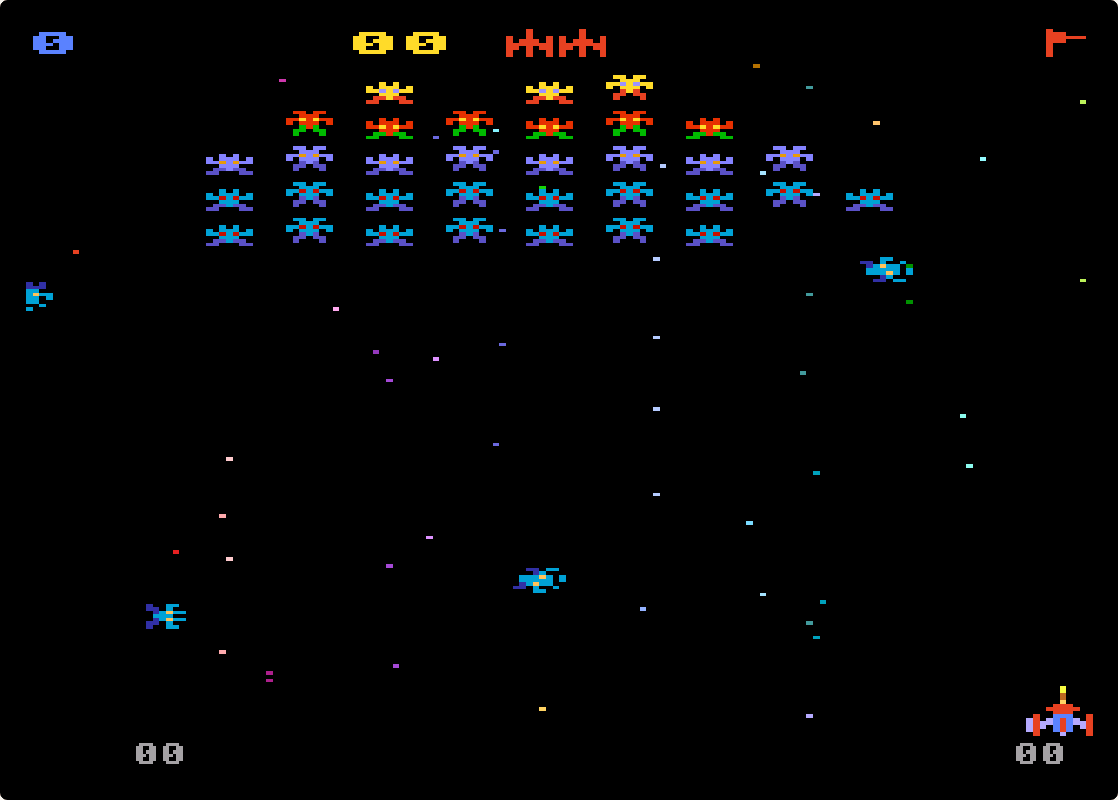
Ten games were announced for the launch and fourteen were planned for 1982, but nine actually shipped that year. The one that got away was Asteroids, which had been meant as the pack-in game until, as the AtariProtos archive tells it, the port turned out not to work well with the new analog sticks; a prototype survives and is playable on this site. Its place in the box went to Super Breakout, a 1978 arcade game which had the advantage of supporting four players on the console’s four ports. Ahl thought it “a somewhat curious choice”, because it did nothing to show off the new hardware. The games that did were the arcade conversions sold alongside it, Galaxian, Space Invaders, Missile Command and Pac-Man, plus Star Raiders from the computer side, Defender, and two sports games that would soon be renamed RealSports Soccer and RealSports Football. We go through them one by one in a later article on the launch titles.
What was in the box
The original 5200 had four controller ports on its front, and one unusual piece of engineering at the back: a single cable ran from the console to a switch box at the television, and that box carried both the picture to the TV and the power to the console. The box also switched the TV between the aerial and the game automatically when the console was turned on. Ahl called the single cable “a marvelous innovation” but pointed out the cost: anyone who wanted a 2600 and a 5200 on the same set needed a second switch box.
The controller was the other novelty. Instead of the 2600’s eight-way stick it had an analog joystick that could register any angle and how far it was pushed, which Atari promoted as 360-degree control. It also had two fire buttons on each side, a twelve-key number pad with snap-on overlays for each game, and Start, Pause and Reset buttons, so that for the first time an Atari console could be operated entirely from the player’s chair. A Pause button on a home console was new at the time. The trouble was that the stick did not return to the centre on its own, its centring relied on a rubber boot rather than springs, and the whole thing was built around a cheap flexible circuit that wore out. The controller gets a full article of its own next in this series; for now it is enough to say that it quickly became the thing reviewers mentioned first.
The rival: ColecoVision
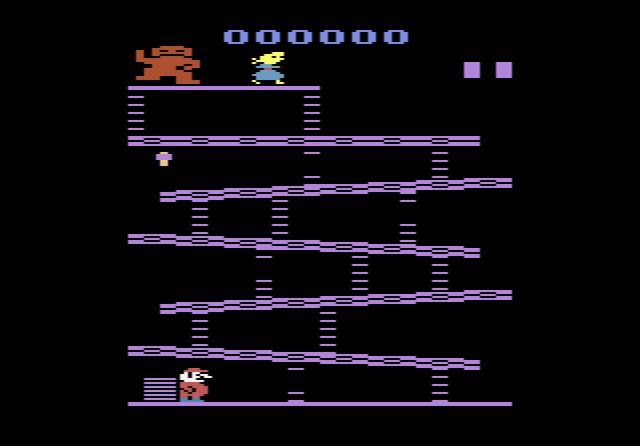
Two months before the 5200, in August 1982, Coleco had released the ColecoVision with the first home version of Nintendo’s Donkey Kong in the box, and the two consoles were compared from the day the 5200 appeared. Super Breakout looked old next to Donkey Kong, and that comparison stuck. Whether the ColecoVision was the better machine is less clear than it was once made to sound: IGN later blamed the 5200’s failure on ColecoVision’s superior technology, but other accounts put the two roughly level. Coleco also sold an expansion module that let its console play 2600 cartridges, which started a legal fight with Atari that the two companies settled out of court. The Christian Science Monitor described the 5200 and the ColecoVision as the two “hot-selling” systems of late 1982. The whole contest gets its own article later in this series.
1983: the two-port model, the price cut and the 2600 adapter
In June 1983 Atari announced a price cut to $199 and a revised console. The new model, sold from that summer, had two controller ports instead of four, a separate power supply and an ordinary RF switch box in place of the automatic one, and controllers with internal changes. Pac-Man replaced Super Breakout as the pack-in. Collectors call the two versions the four-port and the two-port, and the hardware differences are covered in the last article of this series.
The same summer brought two accessories. The Trak-Ball controller was Atari’s answer to the arcade cabinets of Missile Command and Centipede, both of which supported it. The VCS Cartridge Adapter plugged into the cartridge slot and let the 5200 play the 2600’s library, which by then ran to hundreds of titles. The adapter was designed for the two-port machine. Four-port consoles needed a modification to accept it, and Atari built a late run of four-port units with that modification already made, marked with an asterisk in the serial number. A voice module that would have added speech to games was announced and never released.
What the critics said
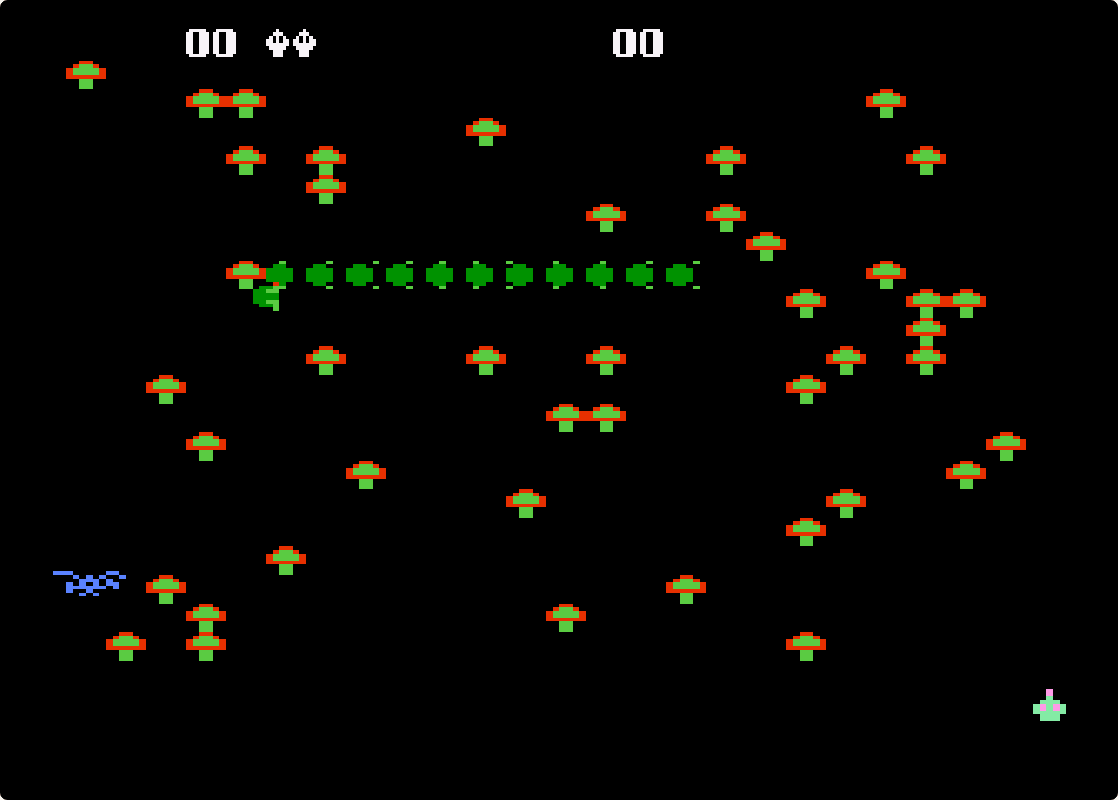
The games got a fairer hearing than the hardware. Ahl, reviewing Centipede, Defender and Soccer in the spring of 1983, found Centipede “delightful fun” and Soccer one of his favourites, and judged the joystick “at least as good as many other controllers on the market”, though one of his two review consoles had a stick that would not go all the way to the right without extra pressure. John J. Anderson, writing in the same magazine that September, was harder: he had been “shocked” by the quality of Kangaroo when he saw it at Atari, thought it made the 5200 “look like a VCS in a slick box”, and objected to “the pot controllers and triggers on the 5200 machine, which are incredibly slow and have stick boots that wear out in weeks”. He also admitted that “some very nice games” had appeared since, naming Centipede and Qix as much better than the same games on the Atari computers. His bigger complaint was that the 5200 was “an Atari computer in drag, with the compatibility built out”: had Atari sold a console that ran computer software, he argued, ColecoVision would never have built such a following.
Later writers have been blunter. Game Informer, grading console launches in 2013, gave the 5200’s launch line-up an F for being little more than updated 2600 games on a system that was “rushed out”. The console does well in one kind of ranking only: lists of the worst controllers ever made, where IGN placed it.
1984: the end
By 1984 the video game market in the United States had collapsed, taking a great many publishers with it; the background is in our article on the video game crash of 1983. On May 21, 1984, Atari announced that the 5200 had been discontinued. Reported total sales were just over a million consoles, a fraction of what the 2600 had sold, although the AtariAge FAQ maintains that the 5200 was still outselling the ColecoVision at the point Atari pulled it. Six weeks later, on July 2, 1984, Warner Communications sold Atari’s consumer business to Jack Tramiel, and the new Atari Corporation had other plans: a 16-bit computer, and the 7800 console that had been designed to replace the 5200.
Games were still in the pipeline when the plug was pulled, and that is why the 5200 has so many prototypes: finished or nearly finished cartridges such as Tempest, Millipede and Xevious that were never put in boxes. Twenty-seven of them are playable on this site. A few of the finished games did come out in the end. Atari Corporation released Ballblazer, Rescue on Fractalus! and Gremlins in 1986, two years after the console was discontinued, which brought the official library to 69 games.
Why it is still worth playing
The 5200’s reputation was made by its controller, and that is the one part of the console that an emulator leaves behind. Played with arrow keys that centre themselves, the games are what they always were underneath: Atari 400/800 games with the arcade conversions of 1982 to 1984 at their centre, several of them the best home versions of those games made before the 16-bit era. Start with Pac-Man, Galaxian and Centipede from the first year, then Joust and Pole Position from 1983, and see for yourself. The keys are explained in our guide to playing Atari 5200 games in your browser.