Atari 2600 games had to last. A cartridge cost real money, and most of them fit in 4 or 8 kilobytes, so designers stretched them out with speed, traps and puzzles that could take weeks to crack. Some games are hard because they demand fast hands, some because they never tell you what to do, and a few because one small mistake sends you back to the start. This list picks ten of the toughest games on AtariOnline.org, explains what makes each one hard, and gives you the trick that helps. All of them run in your browser.
Two tools players in 1983 did not have
Before you start, know the two things that make these games fairer today.
- Save states. Ctrl + 0–9 saves the exact moment to a slot, and Alt + 0–9 loads it back. Save before a hard jump, a dark room or a boss, and you can practise it as often as you like.
- The difficulty switches. F4 and F9 are the left and right difficulty switches. In most games position A is the harder one, so if a game feels unfair, check which position it is in. Each game’s own page says what the switches do.
Some purists will say save states are cheating. They are your choice. Many of these games are worth seeing to the end, and the end is out of reach for most players without them.
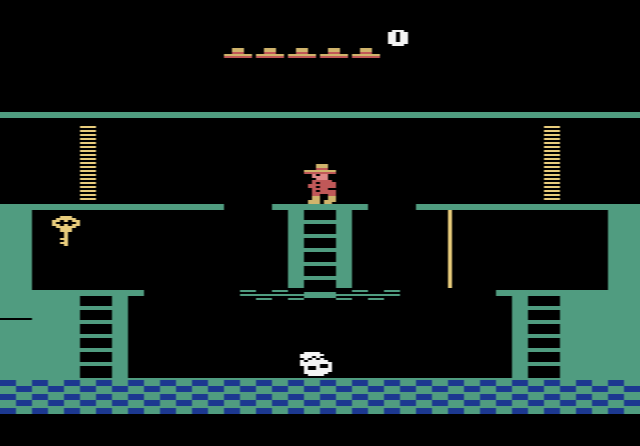
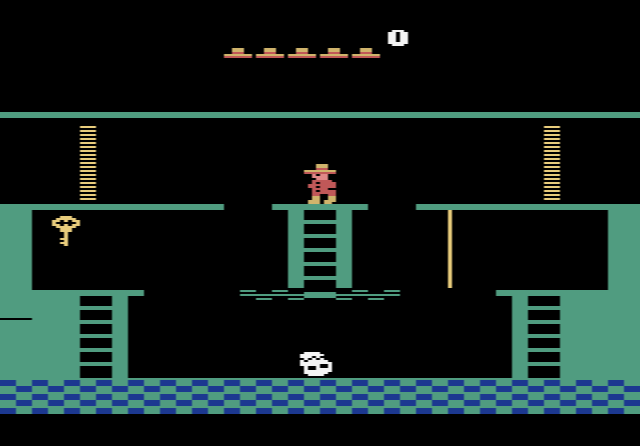
1. Montezuma’s Revenge (Parker Brothers, 1984)
Why it is hard: Montezuma’s Revenge sends Panama Joe down through an Aztec fortress room by room. Coloured doors need keys of the same colour, laser gates switch on and off, floors vanish, and a fall from too high costs a life. Snakes cannot be killed, so you always have to jump them. Dark rooms have to be crossed from memory unless you carry a torch, and your inventory holds only four items. The game is also well known in artificial intelligence research: for years the 2600 version was one of the hardest games for learning algorithms to make any progress in.
The trick: stand still and watch. Laser gates and vanishing floors run on a steady rhythm, so count one full cycle before you cross. Keep an inventory slot free for the next key, and once you find the torch, you keep it for the rest of the level.
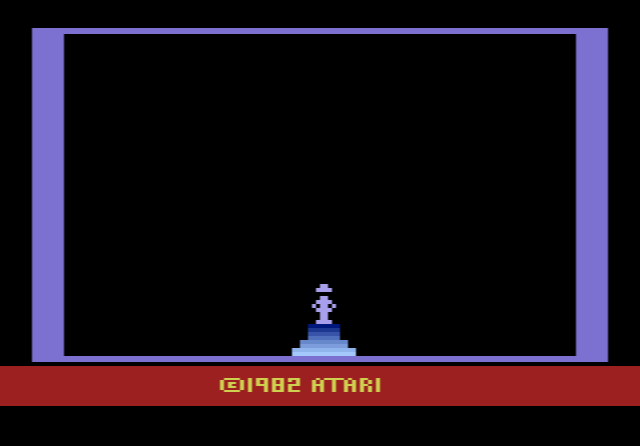
2. Raiders of the Lost Ark (Atari, 1982)
Why it is hard: Howard Scott Warshaw’s Raiders of the Lost Ark is a puzzle adventure that expects you to work out almost everything yourself: which items to trade, where to use the grenade, and which desert mesa hides the Well of Souls. It also uses two joysticks at once, one to move Indy and one to manage his inventory. Warshaw even disliked Atari’s decision to print hints in the manual, because they gave the puzzles away.
The trick: in the emulator Indy moves with T/F/G/H and uses an item with A, while the arrow keys choose an item and Space drops it. Practise that in the entrance room first. Stock up on coins in the Treasure Room, which never runs out, and write down what the Map Room shows you.
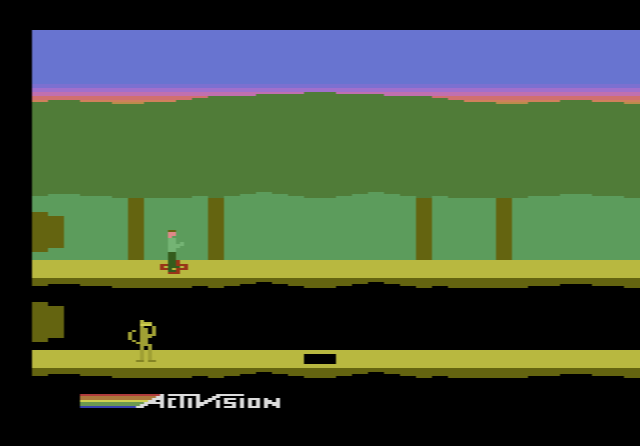
3. Pitfall II: Lost Caverns (Activision, 1984), for a perfect score
Why it is hard: David Crane’s sequel is actually kind to beginners. Pitfall II has no lives and no time limit; a hit just carries Harry back to the last red cross he touched. The hard part is doing it perfectly. The maximum score of 199,000 means finding Rhonda, Quickclaw, the Raj diamond, the optional cave rat and all 28 gold bars without being hit once, because every trip back to a checkpoint drains your score.
The trick: touch every red cross you pass, and run under condors and bats when they are at the top of their flight. You cannot let go of a balloon yourself, so float over the ledge you want and let a bat pop it. The manual says the rat can only be caught from behind.
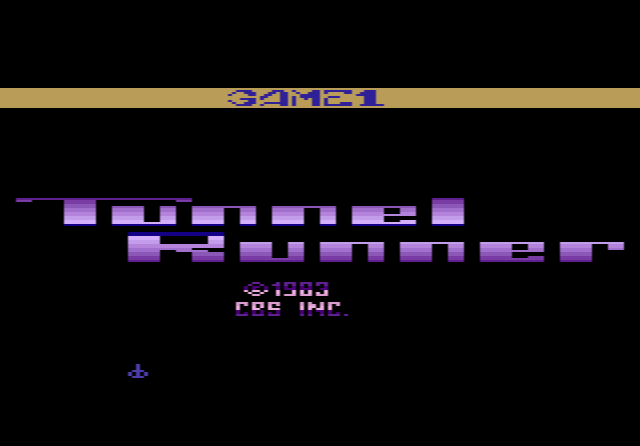
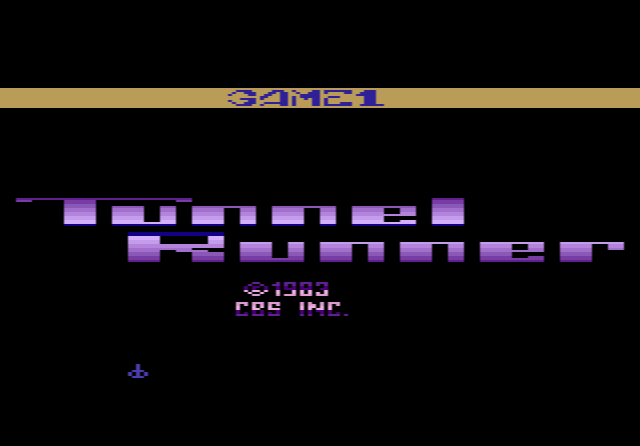
4. Tunnel Runner (CBS Electronics, 1983)
Why it is hard: Tunnel Runner is a first-person maze. You must find a key and then an exit before the timer runs out, you have no weapon against the Zots that hunt you, and turns happen without animation, so it is easy to lose your sense of direction. In later Runs the Zots get faster, can pass through walls, and the walls turn black so only the floor is visible. Some doors even send you back a Run.
The trick: press Space for the map, but only for a moment, because the Zots keep moving. Watch the small compass arrow on the time display, and listen: you hear a Zot before you see it. There is also an emergency teleport that the manual does not mention: hold Space and roll the arrow keys in a circle. It works once per Run.
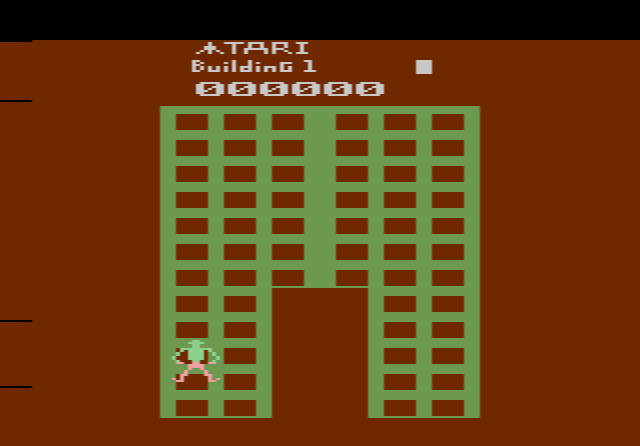
5. Crazy Climber (Atari, 1983)
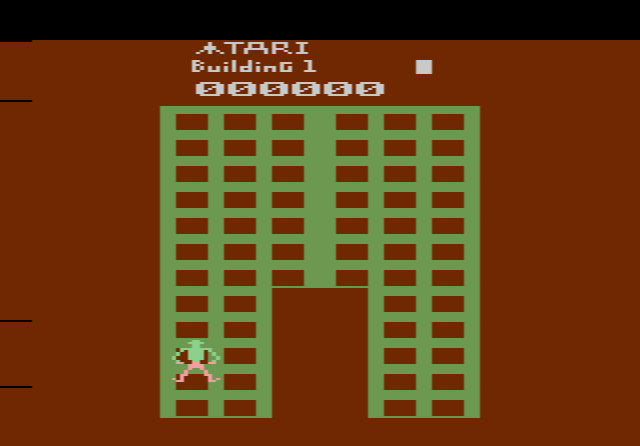
Why it is hard: the arcade Crazy Climber used two joysticks. The 2600 version turns climbing into a rhythm on one stick: up raises the arms, down pulls the climber up, and you can only move sideways with your arms straight. Meanwhile windows shut on your hands, a Mad Doctor drops flowerpots, a condor drops eggs and steel girders sweep across the building. The clock counts too: your bonus drops by 100 every ten seconds.
The trick: set the difficulty switch to B (F4). In position A the climber moves slowly and struggles to grab ledges. When something falls towards you, finish your move and hold the ledge with straight arms, and it will bounce off. The Novice variation is the place to learn the rhythm.
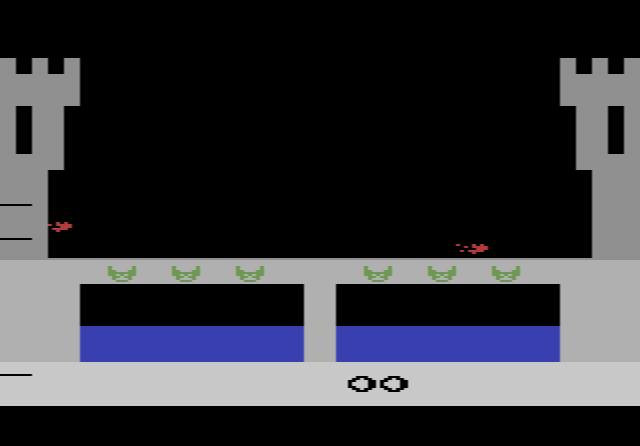
6. Dragonfire (Imagic, 1982)
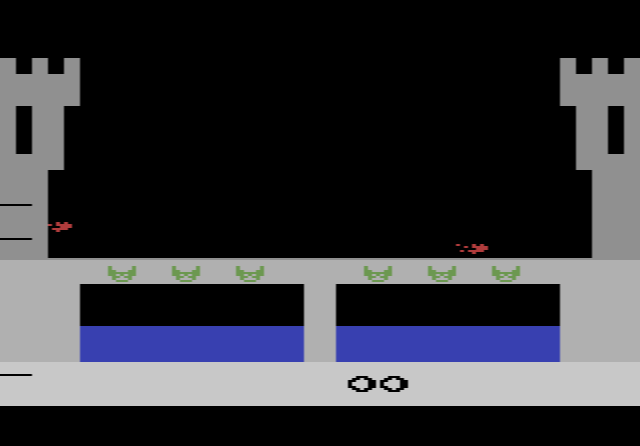
Why it is hard: Dragonfire has only two screens: a drawbridge where you duck and jump fireballs at two heights, and a treasure room with a dragon breathing fire up at you. Each time you escape with the treasure, you face a new, tougher dragon, and the game keeps getting faster and meaner the longer you survive. Game variation 4 skips the easy dragons and starts you with the fast orange one.
The trick: cross the bridge quickly, and if a bad pattern of fireballs is coming, run back to the right-hand tower and wait. For fireballs close together, hold the down arrow and press Space to jump straight from a crouch. In the treasure room, never stand still.
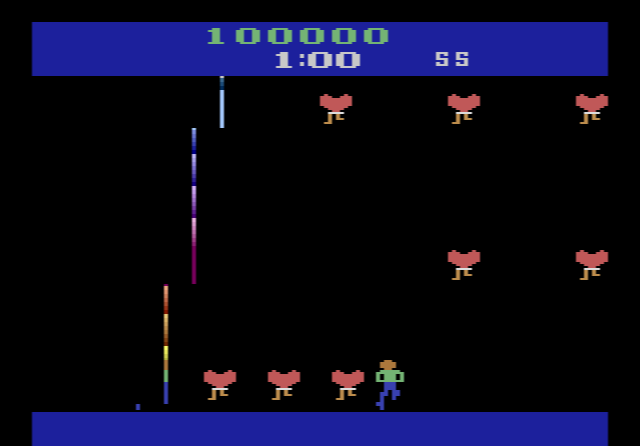
7. Journey Escape (Data Age, 1982)
Why it is hard: in Journey Escape you guide the five members of the band Journey through a crowd to their escape vehicle, before time runs out. The hard part is knowing what you are looking at. Without the manual, the abstract sprites are difficult to tell apart, and some of them cost you much more than others.
The trick: the heart is a groupie (−$300), the flashing light a photographer (−$600) and the head a promoter (−$2,000), so dodge the heads first. Roadies make you briefly unstoppable, and the manager gives you $9,900 and a free run. Hold up to move at full speed, but do not overshoot the vehicle. Getting stopped also eats into your time, and if one band member misses the vehicle, the game is over.
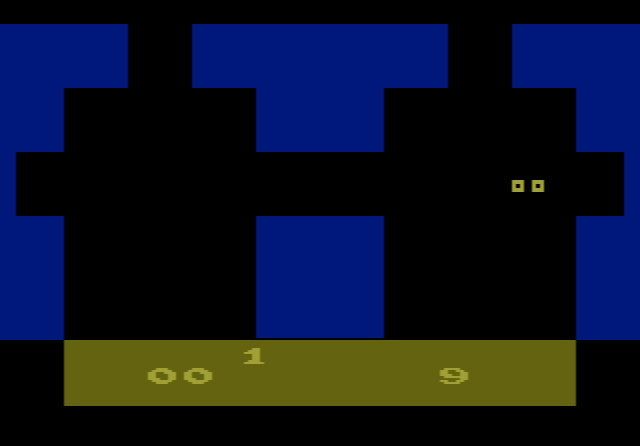
8. Haunted House (Atari, 1982), game 9 in the dark
Why it is hard: Haunted House starts gently. Game 1 has lit walls and no doors. Game 9 is a different story: a new floor plan, locked doors and creatures that can pass through all of them. Put the left difficulty switch on A as well and the lightning flashes stop, so you are feeling your way through four floors of a pitch-black mansion by sound alone.
The trick: find the scepter first and search the house with it, since it protects you from the creatures. Listen to the staircases: a rising or falling tune tells you whether a stair goes up or down. A good result is a low match count with lives to spare.
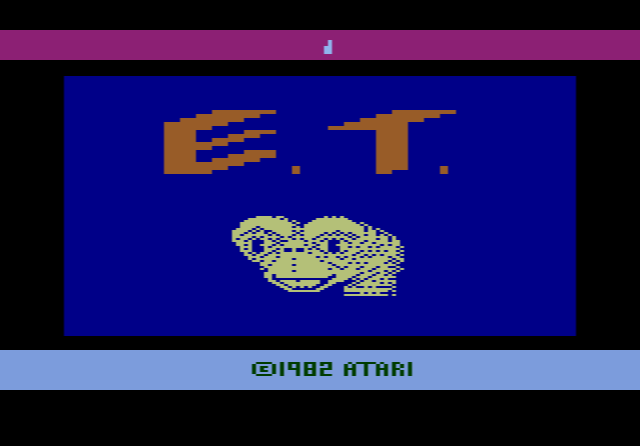
9. E.T. the Extra-Terrestrial (Atari, 1982)
Why it is hard: E.T. is famous as one of the worst games ever made, and most of that reputation comes from how hard it is to understand. The icon at the top of the screen changes as you walk through invisible “power zones”, the Space bar does something different in each one, and the collision checks around the pits are so strict that brushing an edge drops you in. Every action also uses energy.
The trick: start with Game 3, where only Elliott appears and nobody chases you. Use the zone that shows where a phone piece is before climbing into any pit, and save nine Reese’s Pieces for Elliott: he will bring you a missing piece. To get out of a pit, hold Space and press the up arrow.
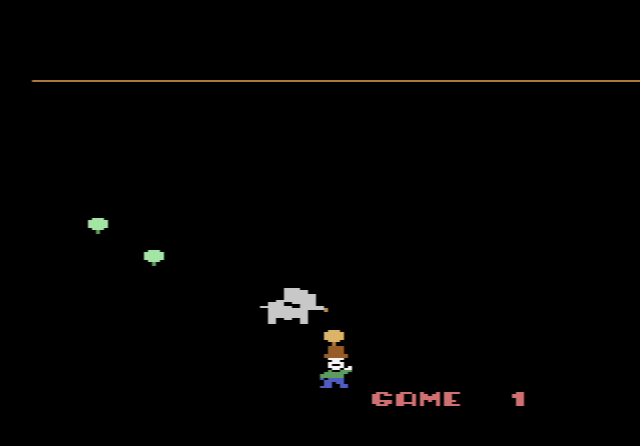
10. Dumbo’s Flying Circus (Atari prototype, 1983)
Why it is hard: this one was meant for children. Dumbo’s Flying Circus has you catch or shoot balloons before they reach the top of the screen, while some carry bombs and others carry clowns that drop hazards. Every three balloons that escape lower the ceiling a little, squeezing your space. Atari had already made prototype packaging when it shelved the game, and AtariProtos suggests its difficulty may be why it was never released.
The trick: shoot bomb balloons with your peanuts rather than touching them, and catch Timothy Q. Mouse in the bonus rounds, because that raises the ceiling again.
A few more for the brave
- H.E.R.O.: Game 5 starts you on level 17, deep in the mines, with magma walls that open and close.
- Venture: skill 1 is the easiest of its four levels, so try skill 4 (both difficulty switches on A), with Hallmonsters you cannot shoot and bodies that stay deadly after you kill them.
- Porky’s: the manual’s expert mode needs both difficulty switches on A and the TV type switch (F2) on black-and-white.
- Cabbage Patch Kids: Adventures in the Park: an unreleased children’s game adapted from the MSX game Athletic Land, which is why it is surprisingly tough.
Which one should you try first?
If you like action, start with Dragonfire: the rules take ten seconds to learn and the challenge grows slowly. If you like exploring, Montezuma’s Revenge is the most rewarding of the list, and with a save state before every tricky room it becomes a long, fair adventure. And if you want to understand why people still argue about E.T., play Game 3 with the tips above before you judge it. Then rate the game on its page, and tell us how far you got.