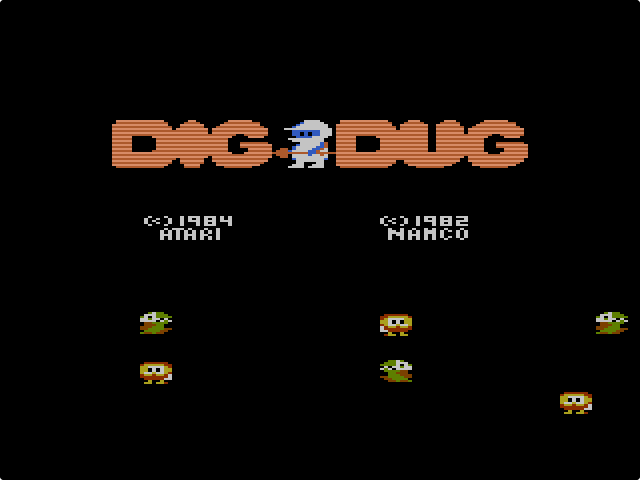
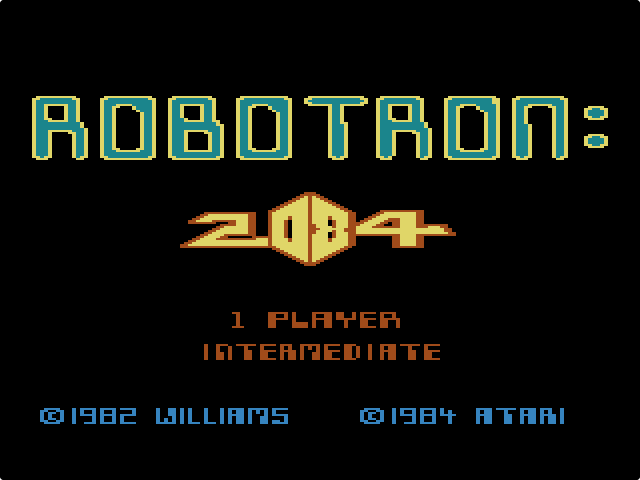
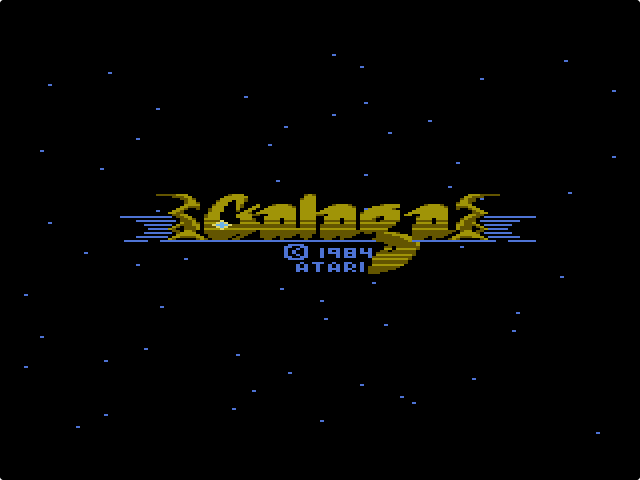
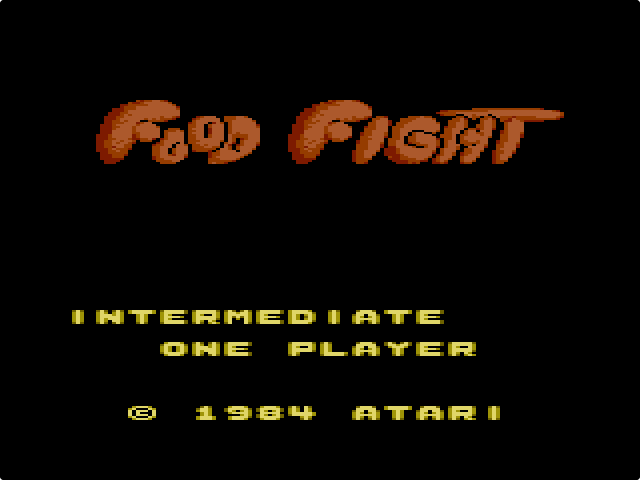
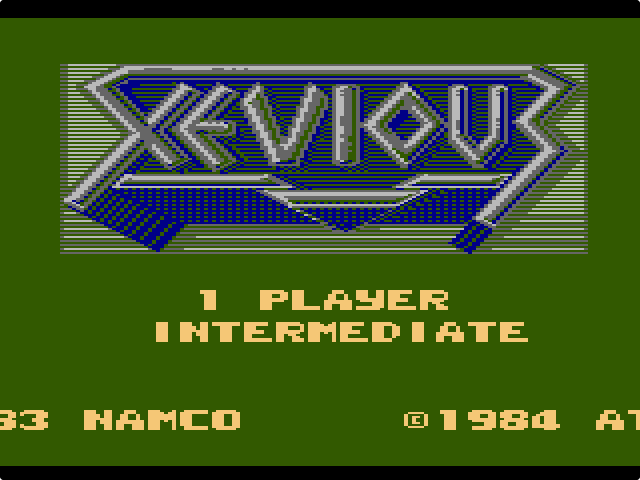
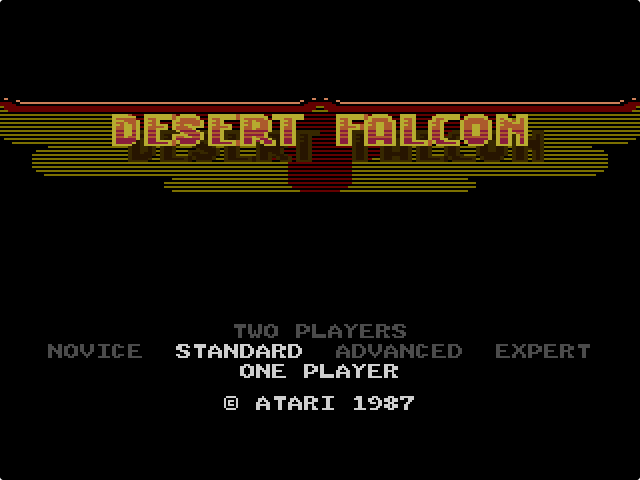
The Atari 7800 ProSystem was finished in 1984, announced with thirteen games, and then put in a warehouse for almost two years. When it finally reached American shops in May 1986 it faced a new rival, the Nintendo Entertainment System, with a library built around arcade hits from 1981 to 1983. This is the story of how a console designed for one Atari company was launched by another, what it sold, and why many of its games still play well. All the games linked below can be played in your browser on this site.
Designed outside Atari: General Computer Corporation
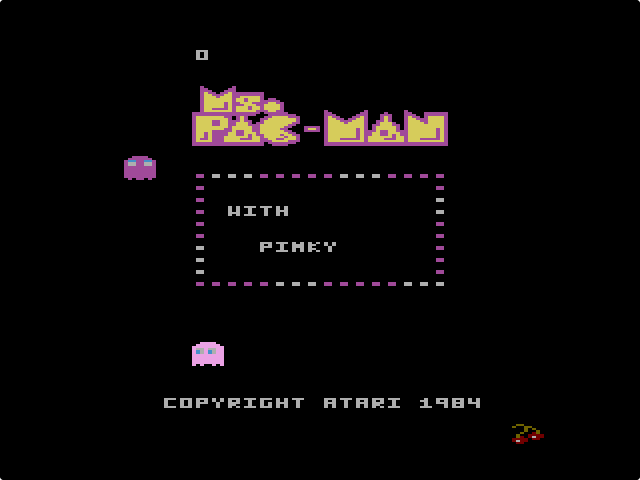
The 7800 was the first Atari console designed by an outside company. General Computer Corporation (GCC) was a small American firm founded in 1981 by Doug Macrae, John Tylko and Kevin Curran. It started out selling enhancement kits for other companies’ arcade machines. One of them, Super Missile Attack for Atari’s Missile Command, got GCC sued by Atari. The case ended with Atari dropping the suit and hiring GCC instead. Another kit, Crazy Otto, was sold to Midway and became the arcade Ms. Pac-Man. For Atari, GCC then made the arcade game Food Fight and a large share of the cartridges for the Atari 2600 and 5200.
That arcade background shaped the new console. GCC built it around a custom graphics chip called MARIA, which draws the screen the way arcade boards of the time did, as lists of moving objects, rather than the way the 2600 did. Next to MARIA sat the 2600’s own chips, so the machine could also play almost every 2600 cartridge. The project began under the name Atari 3600. The Atari Museum, which holds engineering papers from the period, says it was marked as the company’s top priority inside Atari, Inc. in 1983–84, and that a computer keyboard, a High Score Cartridge and an adapter that would have let the Atari 5200 play 7800 games were all planned to follow.
May 1984: announced, then stopped
Atari, Inc. announced the 7800 on May 21, 1984, with consoles expected in shops in July. Thirteen games were named for the launch:
- Ms. Pac-Man, Pole Position II, Centipede, Joust, Dig Dug, Robotron: 2084, Galaga, Food Fight and Xevious, the arcade conversions;
- Nile Flyer, which was released years later as Desert Falcon;
- Ballblazer and Rescue on Fractalus!, two Lucasfilm Games designs;
- Track & Field.
Rescue on Fractalus! was later cancelled, and the version on this site is an unreleased prototype. Track & Field never came out on the 7800.
Some histories say a first batch of consoles was test-marketed in southern California in June 1984. If so, it was small. What is certain is what happened next. On July 2, 1984, Warner Communications sold Atari’s consumer division to Jack Tramiel, the founder of Commodore, who renamed it Atari Corporation. All projects were halted while the new owners looked at them, and Tramiel’s main goal was a new home computer, which became the Atari ST. GCC had not yet been paid for the 7800, and Warner and Tramiel argued over who owed the money.
Tramiel gave in and paid GCC in May 1985; the Atari Museum puts the settlement at $3.2 million for the rights to the MARIA chip. Owning the console did not mean owning its games, so another round of negotiations followed for the titles GCC had already finished. Atari Corporation then looked for someone to run its new video game division and found that person in November 1985. All this time the 1984 production run sat in warehouses.
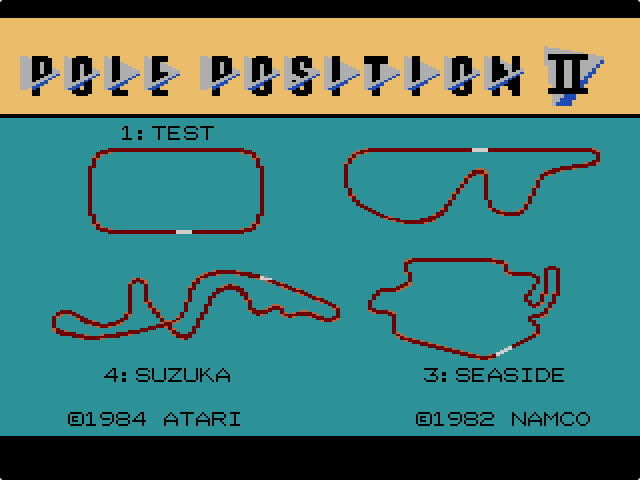
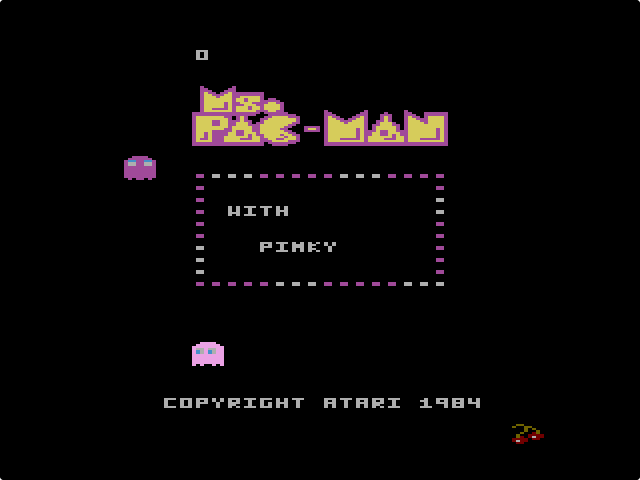
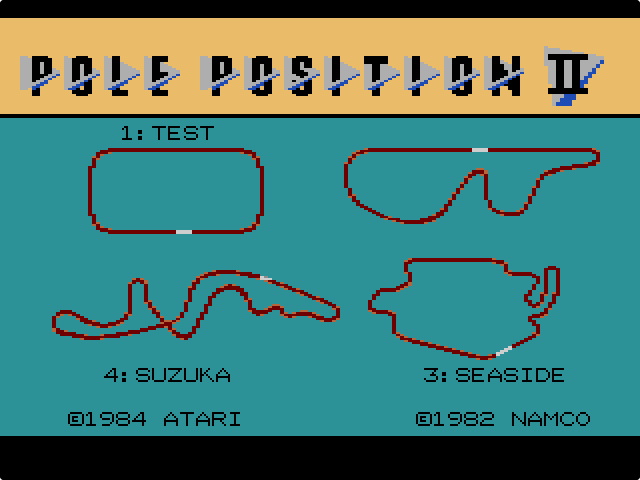
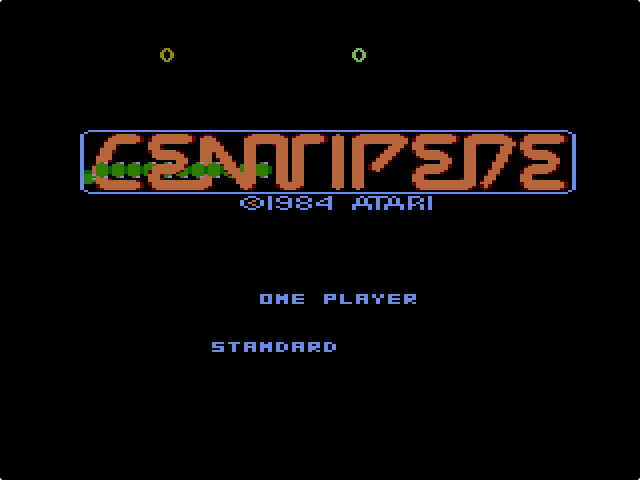
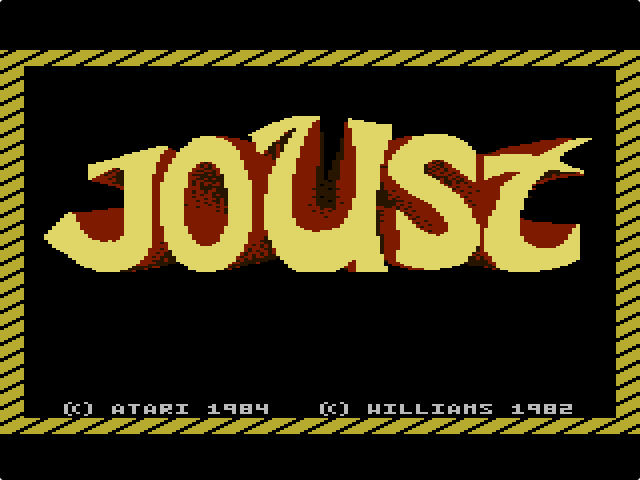
You can still see the delay in the games. Start Asteroids, Ms. Pac-Man, Joust or Pole Position II on this site and the title screen says “© 1984 Atari”, even though they only reached the shops in 1986.
1986: the comeback
Atari Corporation introduced the 7800 in January 1986 and released it nationwide in the United States in May 1986 for $79.95. In the box were two Pro-Line joysticks, with two fire buttons each, and Pole Position II. The design answered the main complaints about the Atari 5200: the 7800 was small, it had simple joysticks, and it played 2600 games without an adapter. Atari relaunched the 2600 at the same time as a cheaper, smaller model, so the company sold two consoles side by side.
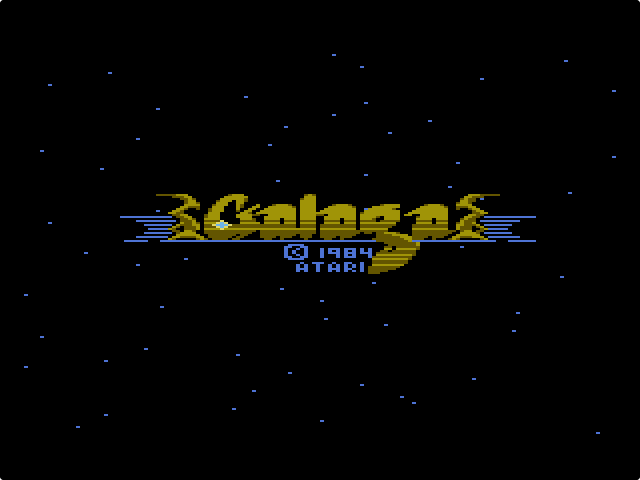
Atari spent far less on advertising than its rivals. Company officials put the 7800’s marketing budget in the “low millions”, against about $9 million spent by Sega and $16 million by Nintendo. The games also arrived slowly: Galaga followed in August and Xevious in November, and by the end of 1986 the 7800 had 10 games. Sega had 20 for the Master System and Nintendo 36 for the NES.
Sales: a slow start, then a million
In February 1987 the newsletter Computer Entertainer reported that 100,000 Atari 7800 consoles had been sold in the United States, counting the units that had been in storage since 1984. That was behind the Sega Master System at 125,000 and far behind the NES at 1.1 million. Sales picked up after that: Atari had sold more than 1 million 7800s by June 1988.
Getting new games was the hard part. The 1984 GCC titles were already old arcade games: by the 1986 launch, Pole Position II was three years old, Dig Dug four and Galaga five. Atari added a line of “Super Games” taken from home computers and arcades, such as One-on-One Basketball and Impossible Mission, and most of its later games were made by outside studios under contract. Only three other companies published 7800 games under their own names: Absolute Entertainment, Activision and Froggo, with eleven games between them.
Some popular arcade games still reached the 7800. A company that made an NES version of an arcade game could not make a competing version, but the arcade game’s original owner was free to license it to other consoles too. That is how the 7800 got Mario Bros., Double Dragon, Commando, Rampage, Xenophobe, Ikari Warriors and Kung-Fu Master. Atari also published Donkey Kong in 1988, seven years after the arcade original.
Europe and the last games
The European 7800 differed in a few ways. It came with a joypad, similar to Nintendo’s and Sega’s controllers, instead of the Pro-Line joystick; the joypad was not sold in the United States. It did not check the security signature that American consoles look for on every 7800 cartridge. And it had Asteroids built in: switch on a European 7800 without a cartridge and Asteroids starts. In the United Kingdom the console went on sale in September 1989 for £69.95 with two joypads.
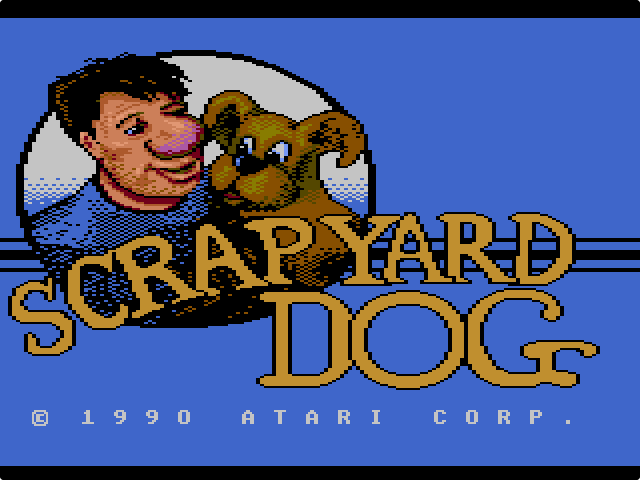
The final games looked very different from the 1984 batch. Atari’s last wave included Scrapyard Dog, a scrolling platform game, the horror adventure Midnight Mutants, Ninja Golf, Basketbrawl, Motor Psycho, Planet Smashers, Fatal Run and two light-gun games, Alien Brigade and Meltdown. These are closer in style to what other consoles offered in the late 1980s. Scrapyard Dog was later also released for Atari’s handheld, the Lynx.
1992: the end of production
In 1992 Atari Corporation announced the end of production and support for the 7800, the 2600 and its 8-bit computer line. Work did not stop completely at once: an unreleased 7800 conversion of the arcade game Toki was worked on after that date. In Europe the last 7800 consoles were sold until the summer or autumn of 1995. Darryl Still, who was Atari’s marketing manager in the UK, later told Retro Gamer magazine that the console never got “the consumer traction that the 2600 did”, but that Atari sold a lot of units through mail-order catalogues and in less affluent areas.
All told, there were 59 official 7800 releases, set against the more than 400 games for the 2600 that the console could also play. The core of that library is a set of carefully made conversions of arcade games from the early 1980s, which is also the best place to start playing.
After 1992
The signature check that Atari used to keep out unlicensed cartridges also kept out hobbyists for a long time. The signing software was found and released at the Classic Gaming Expo in 2001, and new 7800 games have been made by fans since then. In July 2009 the commented source code of 13 games was released, among them Centipede, Desert Falcon, Dig Dug, Food Fight, Galaga, Joust, Ms. Pac-Man, Robotron: 2084 and Xevious, together with the console’s operating system and Atari ST development tools.
The hardware has come back too. The Atari Flashback of 2004 looked like a small 7800 but used different hardware inside, and was criticised for not playing like the real thing. On November 29, 2024, Atari and Plaion released the Atari 7800+, a smaller replica of the European model that plays original 2600 and 7800 cartridges through emulation.
If you want to see both ends of the 7800’s life, play Robotron: 2084 or Joust from the 1984 batch and then Scrapyard Dog or Midnight Mutants from 1990. Our guide to playing Atari 7800 games in your browser explains the keys, and the story of the console that came before it is told in our article on the Atari 2600’s hardware revisions.